


















Drone Batteries and Solid-State UAV Battery Packs
MAD Components manufactures and supplies drone batteries, solid-state UAV batteries and lithium-ion battery packs for a wide range of drone power systems. These battery options are designed for FPV drones, multirotor aircraft, agriculture drones, industrial UAVs, heavy-lift platforms and other professional applications where reliable power delivery and flight endurance matter.
Battery selection affects flight time, payload capacity, voltage stability, motor performance and overall aircraft reliability. MAD drone batteries are available across multiple voltage classes, including 4S, 6S, 12S, 14S and 24S options, and should be matched with compatible drone motors, ESCs, propellers and lithium battery chargers.
Shop Drone Batteries by Voltage
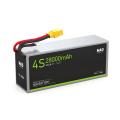
4S Drone Batteries
Battery options for lower-voltage UAV builds, compact aircraft and applications where weight, size and endurance need to be balanced.
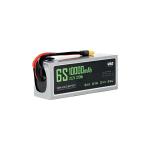
6S Drone Batteries
Popular drone battery options for FPV, multirotor and professional UAV applications requiring strong power delivery and practical capacity choices.
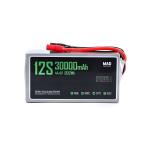
12S Drone Batteries
Higher-voltage battery options for larger UAVs, agriculture drones, industrial platforms and aircraft with greater power requirements.
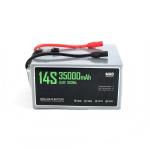
14S Drone Batteries
Battery options for advanced UAV power systems that require higher voltage, larger capacity and reliable performance under demanding loads.
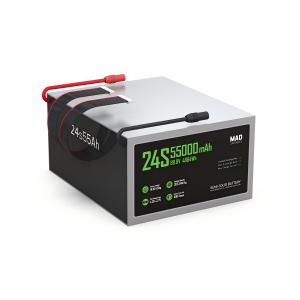
24S Drone Batteries
High-voltage drone battery options for large UAVs, heavy-lift aircraft and specialized propulsion systems with significant power demands.
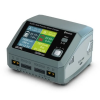
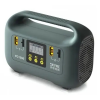
Drone Battery Chargers
Compatible lithium battery chargers and charging accessories for maintaining drone battery performance, safety and service life.
How to Choose a Drone Battery
Choosing the right drone battery depends on the aircraft type, motor and ESC requirements, propeller load, voltage, capacity, payload, target flight time and operating environment. Smaller drones usually need lighter batteries, while industrial, agriculture and heavy-lift UAVs often require higher-voltage batteries with greater capacity.
Important specifications include cell count, capacity, discharge capability, connector type, weight, dimensions, charging requirements and compatibility with the full power system. A battery should not be selected by capacity alone; voltage, weight and current demand all affect flight performance.
Solid-State Lithium-Ion Drone Batteries
MAD solid-state lithium-ion drone batteries are designed for high-power-density UAV applications where weight, energy storage and reliability are important. The solid-electrolyte design is intended to support compact size, high energy density, longer service life and improved safety characteristics when used, charged, stored and transported correctly.
These batteries are suitable for professional UAV builders, drone manufacturers, agriculture drone operators, industrial inspection platforms and individual drone users who need battery options matched to specific aircraft and propulsion requirements.
Drone Batteries for UAV Manufacturers and Commercial Operators
MAD Components supplies drone battery options for individual pilots, professional drone builders, UAV manufacturers and commercial operators. These batteries can support aircraft used for agriculture, mapping, inspection, industrial work, payload transport and other demanding drone applications.
For manufacturers and commercial UAV projects, battery selection should be reviewed together with the complete power system, including motor choice, ESC current capacity, propeller load, connector type, charging equipment, payload requirements and target flight time.
Drone Battery FAQ
What types of drone batteries does MAD Components offer?
MAD Components offers solid-state lithium-ion drone batteries for FPV drones, multirotor UAVs, agriculture drones, industrial platforms, heavy-lift aircraft and other professional UAV applications.
What do 4S, 6S, 12S, 14S and 24S mean?
The “S” number refers to the number of cells connected in series inside the battery pack. A higher S count generally means a higher battery voltage, which may be required for larger motors, higher-power ESCs and heavier UAV platforms.
How do I choose the right battery capacity?
Battery capacity should be selected based on the aircraft weight, payload, motor current draw, propeller load and target flight time. Larger capacity can increase endurance, but it also adds weight, so the best choice depends on the complete drone design.
Are these batteries only for hobby drones?
No. MAD drone batteries can be used for hobby, FPV, professional, agriculture, industrial and heavy-lift UAV applications. The correct battery depends on the aircraft voltage, capacity and power-system requirements.
Do drone batteries need a matching charger?
Yes. Drone batteries should be charged with a compatible lithium battery charger designed for the battery voltage and cell count. Using the correct charger helps support safe charging, battery performance and service life.
What should I check before using a drone battery?
Before use, check the battery voltage, connector, physical condition, charger compatibility, installation space, weight, aircraft power requirements and signs of damage, swelling, heat, odor or deformation.
How should drone batteries be stored?
Drone batteries should be stored in a cool, dry environment away from high heat, fire, water, metal objects and direct sunlight. Damaged or abnormal batteries should not be used and should be handled according to local safety and recycling requirements.


